
The Current State of Ghanaian Agriculture
Ghanaian agriculture remains central to livelihoods, food systems and trade. Its defining challenge is not a lack of effort or potential; it is the difficulty of coordinating a value chain that is still fragmented around the people doing the work.
A sector of many systems
From crops and livestock to fisheries, processing and distribution, agriculture is not one market. Producers make decisions with incomplete information; buyers need reliable quality and volume; service providers need visibility into demand; and finance, logistics and extension each operate on different timelines.
World Bank data places agriculture, forestry and fishing at about 20.7% of GDP in 2024. In the first quarter of 2025, Ghana Statistical Service reporting showed agriculture as the fastest-growing major sector, growing 6.6% year on year. Those figures show the sector's weight–but not the pressure behind it.
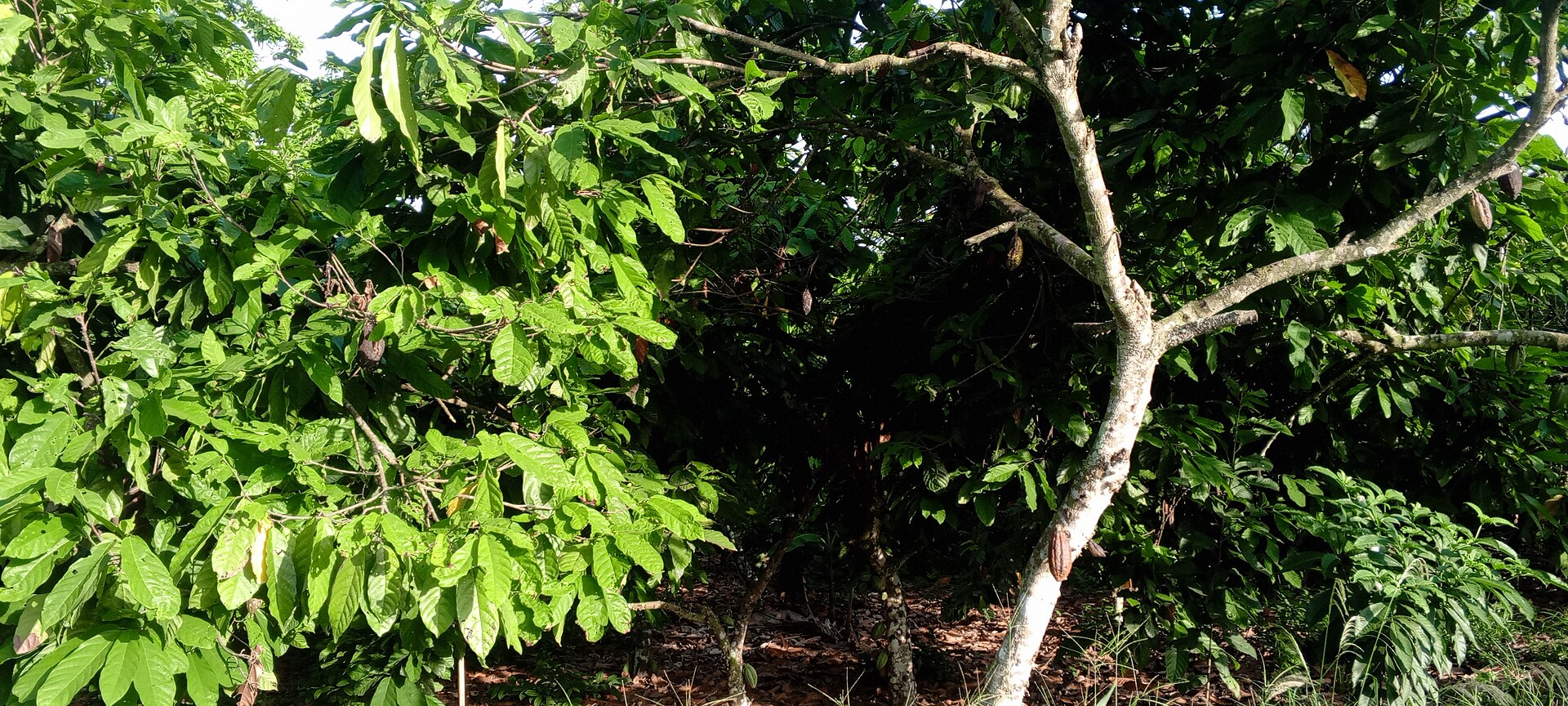
Cocoa remains critical, and exposed
Cocoa remains Ghana's flagship agricultural export and supports an estimated 800,000 farming families. The 2023/24 season was one of the weakest in two decades, with production reported around 480,000—530,000 metric tonnes, well below earlier expectations. Deliveries recovered partially in 2024/25, yet weather risk, disease, ageing trees and land pressure continue to make recovery uneven.
The evidence matters because cocoa is not only a commodity story. It is a land, livelihoods, foreign-exchange and environmental story–one that cannot be addressed only at farmgate.
Galamsey, disease and the cost of losing land
COCOBOD figures reported in late 2024 identified 30,000 hectares of cocoa farmland already affected by illegal mining, timber felling and sand winning, with a further 50,000 hectares at risk. Illegal mining can remove productive land and damage surrounding water systems; cocoa swollen shoot virus adds a separate rehabilitation challenge.
Staples, water and resilience
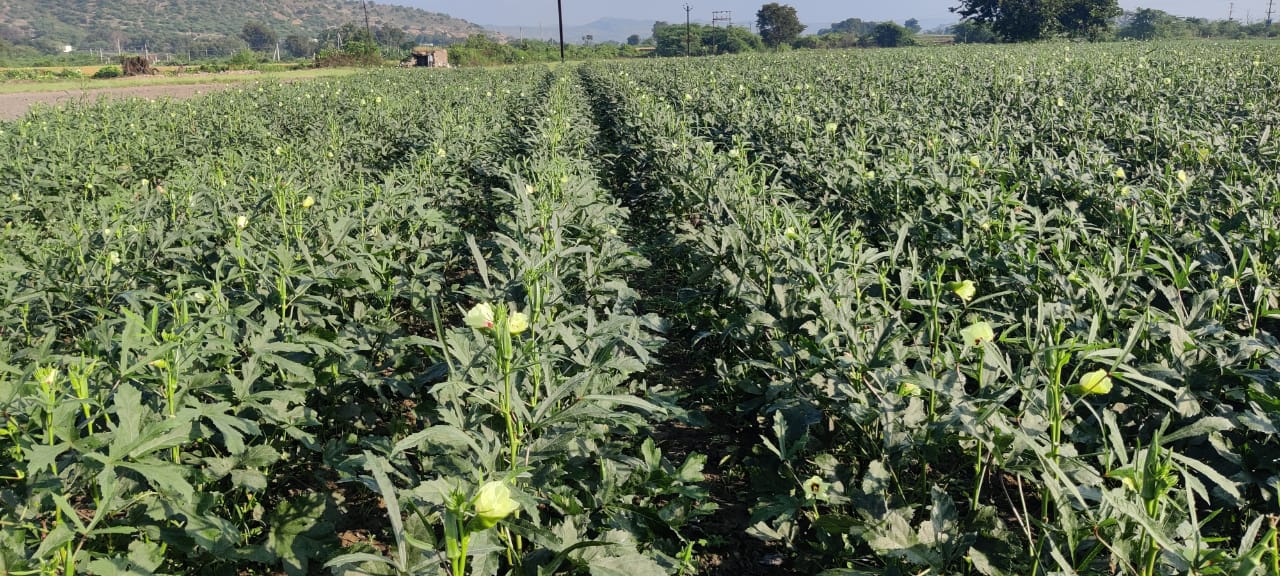
Maize, rice, cassava, yam and plantain sustain domestic food consumption, but much of production remains rain-fed. Ghana has identified roughly 1.9 million hectares of irrigable land, while developed irrigation remains a small share of that potential. This makes water management, storage and planning central to both food security and farmer income.
Feed Ghana: an early policy test
Launched in 2025, the Feed Ghana Programme sets out to strengthen mechanisation, inputs, finance, irrigation, market access and agro-processing. Its early focus includes Farmer Service Centres, agro-production enclaves, vegetable self-sufficiency and poultry. Its impact should be assessed over time through independent measures of yield, income, food prices, land protection and service access.
Where the value chain breaks
- Farmers may lack timely signals on demand, pricing and services before planting.
- Perishable produce is exposed when aggregation, storage and logistics are not coordinated.
- Market actors often rely on relationships and manual processes that do not scale easily.
- Decision-makers need better-quality, shared data without excluding smaller producers.
From fragmentation to connected participation
Technology is useful when it strengthens real relationships and field operations–not when it adds another disconnected app. A useful system should help stakeholders discover each other, transact with context, coordinate services and build a reliable record of activity over time.
Sources & further reading
- Ghana Ministry of Food and Agriculture – Facts & Figures
- Ghana Statistical Service – Economic Statistics
- FAO in Ghana
- USDA Foreign Agricultural Service – Ghana cocoa sector overview
- Ministry of Food and Agriculture – policy resources
Data points reflect the supplied July 2026 research brief and should be checked against the latest releases before high-stakes use, as agricultural production estimates are revised.